Embroidered Stumpwork Floral Patterns: Strategic Design for Creative and Commercial Success
Embroidered Stumpwork Floral Patterns offer a unique blend of artistry and utility, making them a valuable asset in both creative projects and business strategies. These patterns combine the intricate beauty of traditional stumpwork embroidery with modern digital design, providing high-resolution seamless papers that can be used across a range of applications. Whether you're an entrepreneur designing branding materials, a hobbyist crafting personalized gifts, or a professional creating stationery, understanding how to use these designs effectively can elevate your work from ordinary to extraordinary.
Understanding the Value of Embroidered Stumpwork Floral Patterns
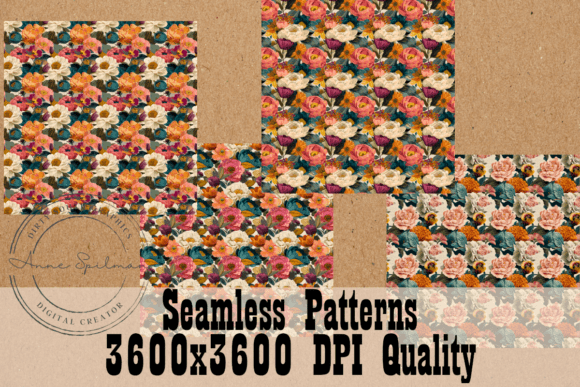
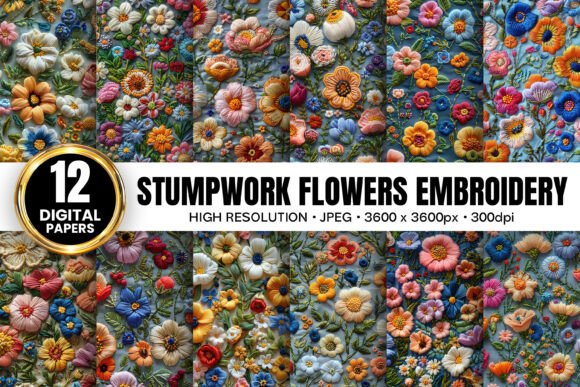
Stumpwork embroidery is a decorative technique known for its raised, three-dimensional floral motifs. When translated into digital seamless patterns, this style retains its elegance while offering unmatched versatility. The 12 high-resolution digital papers included in this collection—each at 300 DPI and sized at 3600 x 3600 pixels or 12” x 12”—allow for scalable use without compromising quality. This makes them ideal for print-on-demand services, custom apparel, and even large-scale wall art.
The strategic value of these patterns lies in their ability to add sophistication and visual appeal without overwhelming the design. Their organic, floral nature can evoke feelings of warmth, creativity, and tradition, which are particularly effective in niches such as wedding invitations, luxury packaging, and artisanal product lines.
Strategic Applications Across Industries
When considering where to apply Embroidered Stumpwork Floral Patterns, it's essential to align their aesthetic with your brand identity and project goals. Here are several industries and purposes where they can serve as powerful tools:
- Gift Wrapping and Packaging: Use these patterns on gift wraps or product boxes to create a premium, handcrafted look. They stand out on store shelves and resonate with customers who appreciate thoughtful, tactile design elements.
- Greeting Card Design: Incorporate them into cards for birthdays, weddings, or holidays. The floral motifs add charm and personality, helping you differentiate your products in a competitive market.
- DIY Crafts and Stationery: From handmade journals to custom planners, these patterns provide a timeless backdrop that supports creativity and organization. They’re especially useful when crafting items intended for resale or as part of a curated product line.
- Textile and Fabric Design: The seamless nature of the files allows for repeatable patterns perfect for fabric printing. Think about using them in home décor like cushions, table runners, or even bespoke fashion accessories.
- Custom Apparel and Accessories: For small businesses or independent designers, these patterns can be printed onto t-shirts, tote bags, or tumblers to create eye-catching, wearable art.
- Digital Backgrounds and Wallpapers: Ideal for social media templates, website headers, or mobile wallpapers, they help maintain a consistent and elegant brand presence across platforms.
- Junk Journals and Book Covers: Add depth and texture to your junk journal pages or book covers. These patterns encourage personalization while maintaining a cohesive visual theme.
Planning Thoughtful Integration
To leverage Embroidered Stumpwork Floral Patterns strategically, start by defining the purpose of each design element. Are you aiming to enhance customer experience, reinforce your brand’s visual identity, or simply express creativity? Each goal requires a different approach.
For example, if you're a blogger looking to improve your content’s visual engagement, consider using one of these patterns as a background for your newsletter templates. The subtle detail will catch attention without distracting from the text. Similarly, educators might find these designs useful for creating visually stimulating learning materials, especially for subjects like art history or cultural studies.
A key planning tip is to test the patterns in context before finalizing their use. Since actual colors may vary slightly due to monitor settings and printing methods, ensure that the chosen pattern complements the rest of your design palette. A mismatched color tone could undermine the professionalism of your final output.
Aligning With Brand Positioning
Branding is more than just logos and slogans—it's about creating an emotional connection through visuals. Embroidered Stumpwork Floral Patterns can support this by reinforcing themes of craftsmanship, heritage, and natural beauty. If your brand emphasizes eco-friendliness or handmade authenticity, these patterns can subtly communicate those values.
Consider pairing them with muted tones or earthy palettes to maintain a sense of balance. Overusing bold florals without contrast may dilute your message, so always evaluate how the pattern interacts with other design components.
Use Cases That Deliver Tangible Results
Here are some practical examples of how these patterns can drive results:
- Invitation Design: A boutique event planner uses Embroidered Stumpwork Floral Patterns as backgrounds for wedding invitations, enhancing the perceived value and exclusivity of the event. Clients respond positively, citing the design as a standout feature.
- Wall Art Creation: An interior designer incorporates the patterns into canvas prints for client spaces. The 3D-like effect adds dimension and interest, leading to increased sales in custom decor offerings.
- Apparel Customization: A small clothing brand uses the patterns on limited-edition tumbler wraps and tote bags. The vintage-inspired designs attract a niche audience interested in historical aesthetics and slow fashion.
- Scrapbooking and Journaling: A stationery creator includes the patterns in a new line of DIY kits. Customers appreciate the detailed yet manageable design, resulting in higher engagement and repeat purchases.
When and How to Use These Patterns
Timing is crucial when implementing any design strategy. Embroidered Stumpwork Floral Patterns are best applied during the early stages of a project to guide the overall visual direction. Once you've established a mood or theme, these patterns can be layered beneath text, photography, or illustrations to add richness without competing for attention.
Approach integration thoughtfully:
- Evaluate the scale: Because the patterns are 12” x 12”, they work well for smaller items but may need cropping or adjusting for larger formats.
- Test color variations: Some files may come in multiple hues. Choose ones that align with your seasonal campaigns or product lines.
- Balance with simplicity: Avoid clutter by using the pattern selectively. Let it accentuate rather than dominate the design.
Risks of Random Application
While Embroidered Stumpwork Floral Patterns are undeniably beautiful, their misuse can lead to poor outcomes. Applying them randomly—without considering the target audience or the design’s purpose—can result in confusion or misalignment with your brand’s messaging.
For instance, using these patterns in a tech startup’s email marketing campaign might clash with the sleek, minimalist expectations of the audience. Likewise, overprinting them on low-quality materials can diminish the perceived value of your product.
Always ask yourself: Does this pattern support my message? Will it resonate with my audience? Is it appropriate for the medium I'm using? These questions ensure intentional application and better long-term results.
Long-Term Benefits of Intentional Use
When used with clear intent, Embroidered Stumpwork Floral Patterns can become signature elements in your design portfolio. Over time, they help build brand recognition and trust. For creators and entrepreneurs, consistency in visual presentation reinforces professionalism and enhances customer loyalty.
Moreover, these patterns are reusable and adaptable. You can modify their opacity, layer them with other textures, or incorporate them into digital mockups for proposals and presentations. Their flexibility ensures you get long-term value from a single purchase.
Maximizing Creativity and Productivity
One of the most overlooked benefits of these patterns is their role in boosting productivity. As pre-made digital assets, they eliminate the need to source or create similar designs from scratch. This saves time and resources, allowing you to focus on other aspects of your project or business.
Creators can streamline their workflow by organizing the patterns into folders based on use case—such as "event invites," "stationery," or "textile repeats." This systematized approach not only improves efficiency but also helps maintain a library of go-to designs for future projects.
Additionally, since the files are in JPG format, they’re compatible with most design software and printing services. This eliminates technical barriers and makes it easier to implement the patterns across various platforms and mediums.
Decision-Making Guidance for Effective Use
Before integrating these patterns into your work, assess the following factors:
- Target Audience: Who will see or interact with the design? What emotions do you want to evoke?
- Project Goals: Are you aiming to sell a product, tell a story, or create a specific experience?
- Printing Medium: Will the pattern be printed on paper, fabric, or digital displays? Adjust accordingly for clarity and impact.
- Brand Consistency: Ensure the pattern aligns with your existing visual language and doesn’t introduce conflicting styles.
By answering these questions upfront, you’ll avoid costly revisions and create a stronger, more cohesive end product.
Creating Unique Outcomes Through Layering and Customization
Don’t limit yourself to using these patterns as standalone elements. Layering them with typography, watercolor washes, or geometric accents can yield entirely new looks. This technique is especially beneficial for marketers and bloggers who want to keep their content fresh while maintaining a recognizable style.
For instance, combining a Stumpwork floral pattern with clean sans-serif fonts can bridge the gap between traditional and modern aesthetics, appealing to a broader demographic. Or, using the pattern as a subtle watermark behind product photos can add a touch of refinement without overshadowing the main content.
Customization options open the door to innovation. By tweaking the contrast or adding a soft blur, you can adapt the same pattern to suit vastly different needs—from a vibrant scrapbook layout to a sophisticated wallpaper for a corporate blog.
Ensuring Realistic Expectations
It’s important to set realistic expectations when working with these digital assets. While they offer high resolution and seamless edges, they are still static images. They won’t replace dynamic animations or complex illustrations, but they can complement them beautifully.
Also, remember that the physical outcome depends on the printing process. Always request sample prints if possible, or review the printer’s guidelines to understand how the pattern will translate onto different surfaces. This proactive step can prevent disappointment and ensure your vision becomes reality.
Final Thoughts on Purposeful Design
Embroidered Stumpwork Floral Patterns are more than just pretty visuals—they’re strategic design tools that, when used intentionally, can enhance communication, boost creativity, and support long-term success. Whether you're building a brand, creating content, or exploring new creative avenues, these patterns provide a foundation for meaningful expression.
By grounding your use in clear goals and thoughtful planning, you unlock their full potential. Avoid treating them as quick fixes or random embellishments. Instead, integrate them as part of a larger design strategy that aligns with your mission and resonates with your audience.